We're here for you. Any time. Any reason
-
Call Us
-

Email Us
-

Chat Us
Coping with family stress
What is stress?
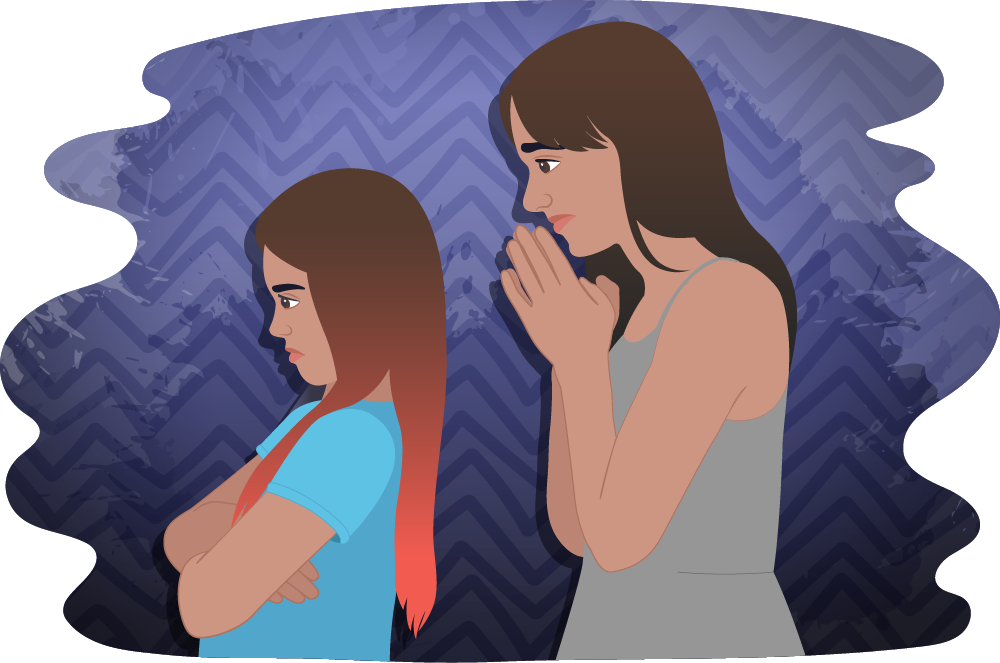
Stress is the body’s reaction to change that requires a physical, mental, or emotional adjustment and can be broken down into three categories:
- Acute stress – also known as our ‘fight or flight’ response. This is our body’s immediate reaction to any type of perceived threat, and can be quite intense. Examples of acute stress might be the first day at a new job or giving a speech.
- Episodic acute stress – this occurs when someone frequently has bouts of acute stress. These people might be constantly rushing and often overextend themselves, e.g. the stress of being in Year 12 and dealing with assessments or exams.
- Chronic stress – this stress response is subtler and tends to be more long-lasting with stress spanning over weeks or months as factors contributing to your stress continue to pile up.
Your rights
What are rights and why do I need them?
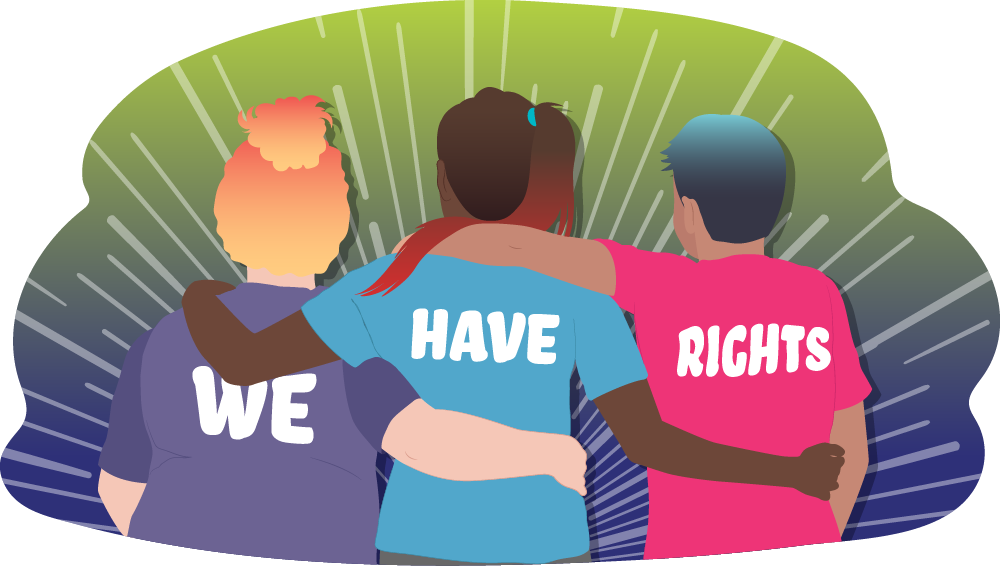
People need rights to be able to live a full life. Rights are universal, which means they belong to everyone, regardless of who you are, where you live, or how much money you have.
You have a right to be safe, healthy and happy.
Your specific rights include:
Safety and protection. This means having a safe place to live, and protection from being harmed by others.
Health. This includes safe drinking water, having enough to eat, having access to healthy and nutritious food and medical care.
Education. You have a right to go to school, access media like the news, and to be able to access and share information.
Privacy. The law protects your privacy so your information is safe.
Participation. You have a right to meet with other young people, or join groups and organisations. You also have a right to have a say and be heard.
Legal rights. You have a right to be treated fairly and access legal help if you break the law. You also have rights to be treated with respect and not experience discrimination.
To be who you are. Cultural and religious freedoms are protected by law.
Your rights
What are rights and why do I need them?
People need rights to be able to live a full life. Rights are universal, which means they belong to everyone, regardless of who you are, where you live, or how much money you have.
You have a right to be safe, healthy and happy.
Your specific rights include:
- Safety and protection. This means having a safe place to live, and protection from being harmed by others.
- Health. This includes safe drinking water, having enough to eat, having access to healthy and nutritious food and medical care.
- Education. You have a right to go to school, access media like the news, and to be able to access and share information.
- Privacy. The law protects your privacy so your information is safe.
- Participation. You have a right to meet with other young people, or join groups and organisations. You also have a right to have a say and be heard.
- Legal rights. You have a right to be treated fairly and access legal help if you break the law. You also have rights to be treated with respect and not experience discrimination.
- To be who you are. Cultural and religious freedoms are protected by law.
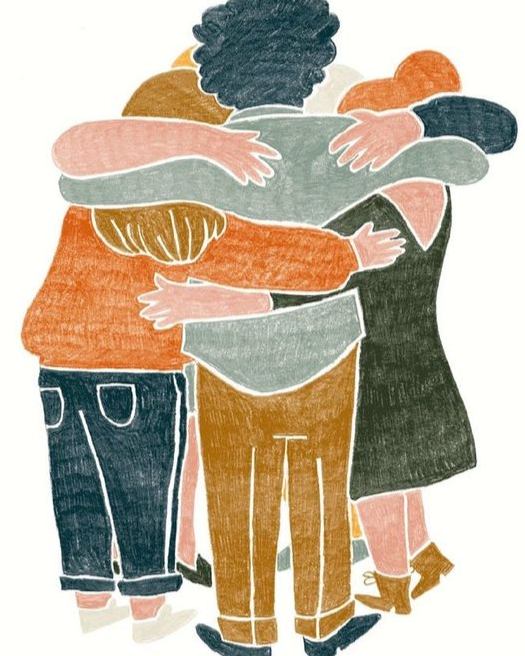
All about respect
Why is respect important?
Receiving respect from others is important because it helps us to feel safe and to express ourselves.
Being respected by important people in our lives growing up teaches us how to be respectful toward others.
Respect means that you accept somebody for who they are, even when they’re different from you or you don’t agree with them.
Respect in your relationships builds feelings of trust, safety, and wellbeing.
Respect doesn’t have to come naturally – it is something you learn.
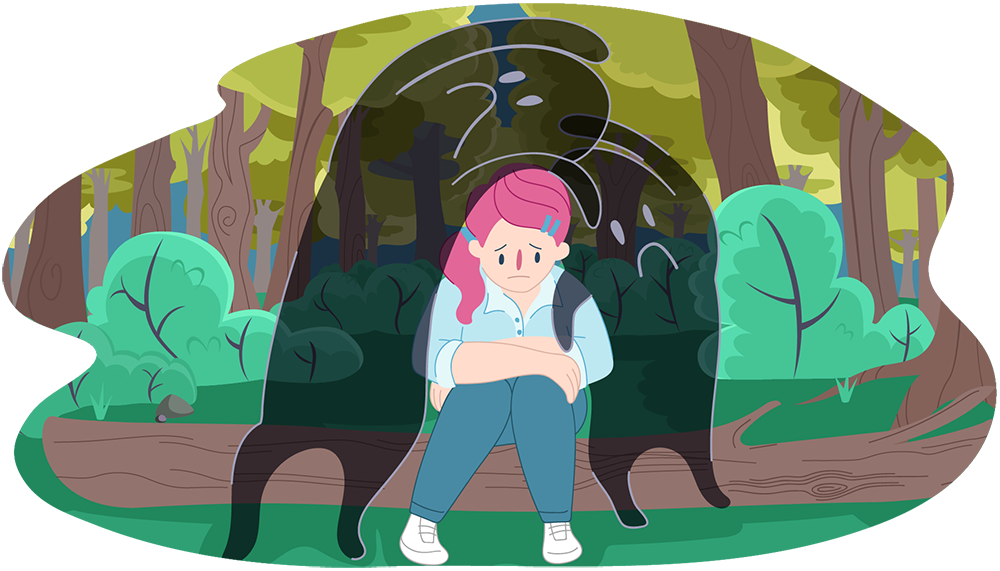
Feeling sad and depression
Feeling sad is okay
It’s okay to feel sad. Everybody does! Sadness is one of many emotions we feel.
Feeling sad can happen when:
Someone’s mean to you
You have a fight with someone
You feel lonely
You’re just having a bad day
You didn’t do well on a test
You feel unwell