We're here for you. Any time. Any reason
-
Call Us
-

Email Us
-

Chat Us
Coping with family stress
Stress impacts everyone at different times and in different ways. Here’s a guide to managing stress.
What is stress?
Stress is the body’s reaction to change that requires a physical, mental, or emotional adjustment and can be broken down into three categories:
- Acute stress – also known as our ‘fight or flight’ response. This is our body’s immediate reaction to any type of perceived threat, and can be quite intense. Examples of acute stress might be the first day at a new job or giving a speech.
- Episodic acute stress – this occurs when someone frequently has bouts of acute stress. These people might be constantly rushing and often overextend themselves, e.g. the stress of being in Year 12 and dealing with assessments or exams.
- Chronic stress – this stress response is subtler and tends to be more long-lasting with stress spanning over weeks or months as factors contributing to your stress continue to pile up.
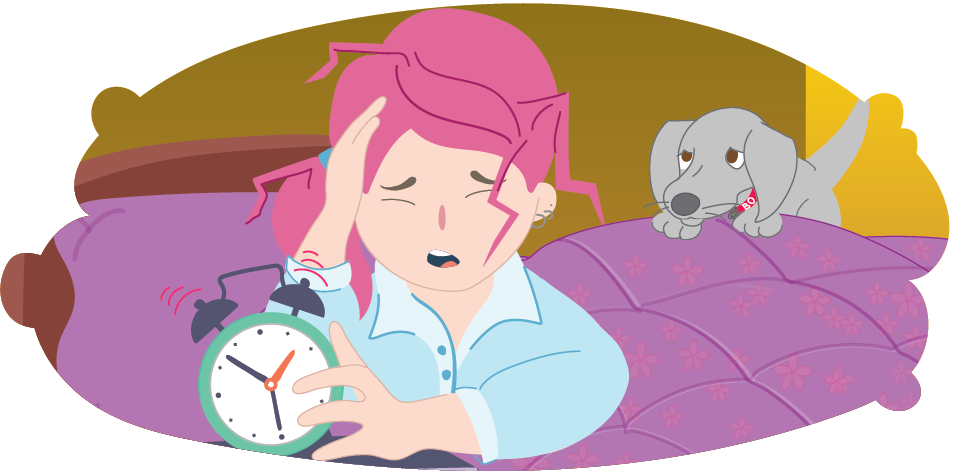
What happens when your kids don't get enough sleep?
What happens when your kids don’t get enough sleep
Getting the right amount of sleep is important for kids' developing body and wellbeing. Find out how much sleep your child needs and the impacts of not getting enough.
What’s so important about sleep?
For a growing body, sleep is just as important as nutrition and exercise
Sleep is vital for kids' health, development and wellbeing. It helps them to stay healthy, grow, learn and do well in school. Sleep physically restores their body, improves brain function and mental health.
Kids of all ages need to get enough sleep so they can play, learn and concentrate during the day.
Not getting enough sleep can have a big impact on your kids – behaviourally, mentally and emotionally.
Most kids don’t get enough sleep as they’re often busy with school, study, sporting and social commitments.
How much sleep is enough?
Recommended hours of sleep per night can vary depending on age. Every kid is different, so take time to figure out what works best for your kid. Here’s a guide:
• 0-11 months - 14-18 hours per day
• 1-2 years - 10-14 hours per day
• 3-5 years - 10-13 hours per day
• 6-13 years - 9-11 hours per day
• 14-18 years - 8-9 hours per day
The impact of lack of sleep
Sleep problems are some of the most common issues faced by parents. When kids don’t get enough sleep over a period of time, the following behavioural, cognitive (mental) and emotional symptoms can occur:
Sleepiness during the day
Issues with study and socialising
Irritability and moodiness
Shorter attention span
Lack of concentration and focus
Increased forgetfulness
Reduced academic performance
Lack of interest and motivation
Difficulty learning new information
Difficulty regulating emotions
Increased emotional problems
Reduced immune system
Poorer memory
Increased impulsivity
Higher risk of accidents
Increased stress
Higher levels of obesity
Decline in mental health
The challenge for kids and their parents is understanding the need for sleep and its restorative powers, and factoring into their busy lives sufficient time for good sleep.
Communication tips
What is great communication?
Conveying our message is only one part of communication. Great communication goes further and allows us to build trust, self-esteem and strong healthy relationships.
- Great communication is a two-way process. Listening is as important as talking
- Your child’s brain is still developing including learning to handle their emotions and communicate well
- Successful communication with your child depends on what, how, when, where and why you say things. What you don’t say is also important!
Communication styles
The way we communicate differs based on gender, cultural background, age and the situation.
It’s likely you and your child have different communication expectations because of the generation gap.
However, in general there are three communication styles. The first is more helpful when compared with the other two.
Helping kids identify and express feelings
Understanding feelings in kids
Kids deal with many of the same feelings adults do
Kids experience complex feelings just like adults. They get frustrated, excited, nervous, sad, jealous, frightened, worried, angry and embarrassed.
However young kids usually don’t have the vocabulary to talk about how they are feeling. Instead they communicate their feelings in other ways.
Kids can express their feelings through facial expressions, through their body, their behaviour and play. Sometimes they may act out their feelings in physical, inappropriate or problematic ways.
From the moment kids are born, they start learning the emotional skills they need to identify, express and manage their feelings. They learn how to do this through their social interactions and relationships with important people in their lives such as parents, grandparents and carers.
Being a parent means you’ve got a really important role to play in helping kids understand their feelings and behaviours. Kids need to be shown how to manage their feelings in positive and constructive ways.